6 min read
What Emotional Health Really Means for Children Today
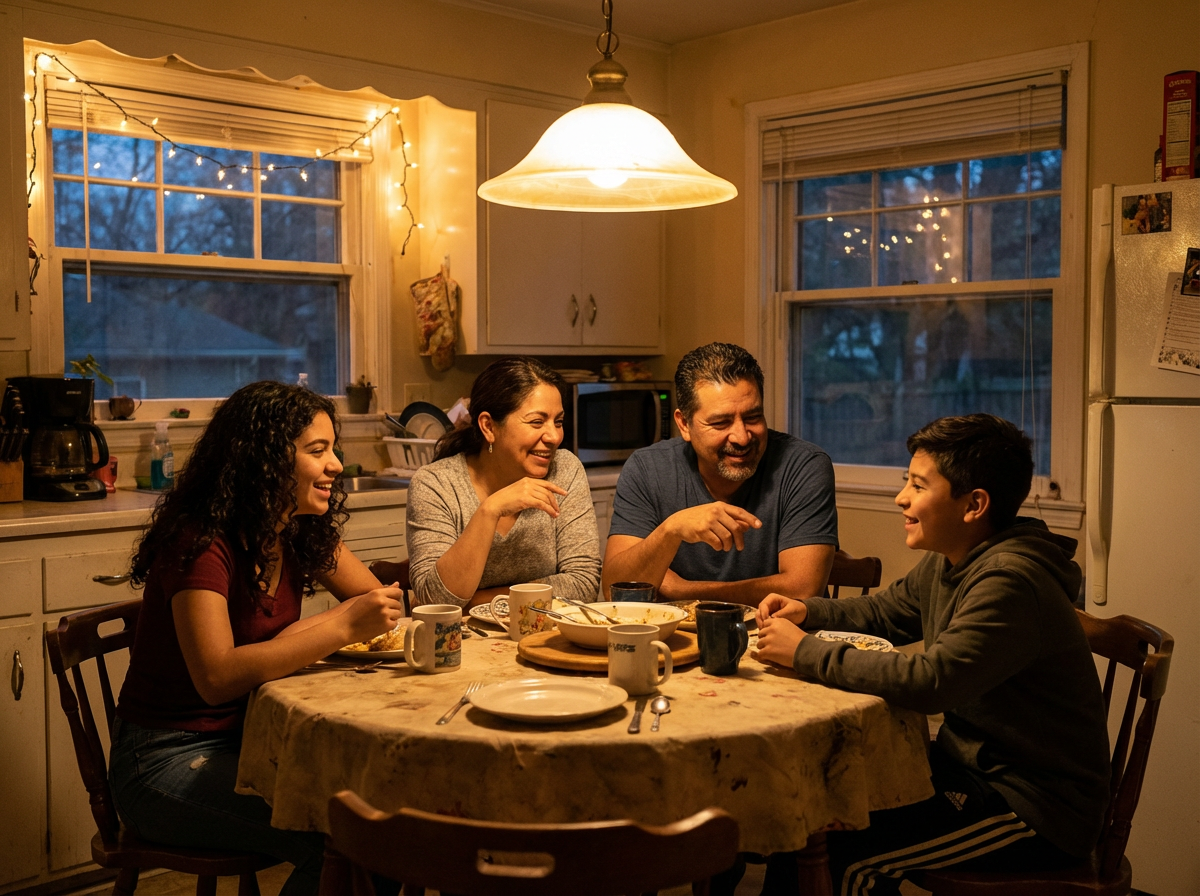
When we talk about children's emotional health, it's often framed in terms of happiness, calm behaviour, or resilience. Parents may worry if their child seems anxious, emotional, withdrawn, or easily overwhelmed, assuming these are signs that something is “wrong”.
In reality, emotional health is not about children feeling good all the time. It is about how children experience, understand, and recover from emotions — especially difficult ones.
In today's world, this distinction matters more than ever.
Emotional Health Is Not the Absence of Struggle
Emotionally healthy children still:
- feel anxious
- get frustrated
- experience disappointment
- struggle with uncertainty
- have emotional outbursts
What sets emotional health apart is capacity, not comfort.
Emotionally healthy children gradually learn:
- that emotions are tolerable
- that distress does not last forever
- that support is available
- and that they can recover after feeling overwhelmed
Developmental psychology has long shown that emotional regulation is not something children are born with. It develops slowly, through repeated experiences of being supported by calm, responsive adults.
Research in attachment theory consistently shows that children build emotional security when their feelings are acknowledged and contained — not dismissed or immediately fixed (Bowlby; Ainsworth).
Why Emotional Health Looks Different Today
Children today are growing up in an environment that places very different demands on their nervous systems than previous generations.
They are navigating:
- constant access to information
- increased comparison
- fewer natural pauses
- reduced tolerance for boredom
- quicker routes to distraction or reassurance
Studies in developmental neuroscience suggest that when children have fewer opportunities to sit with uncertainty or mild discomfort, emotional regulation skills develop more slowly. This does not mean technology is inherently harmful — but it does mean children often need more emotional scaffolding, not less.
Emotional health today is not just about managing emotions. It is about learning to stay present with them long enough for learning to occur.
Emotional Health Is Built in Relationship
One of the most consistent findings across decades of research is that emotional health develops in relationship.
Children learn how to handle emotions by:
- watching adults respond to stress
- experiencing calm reassurance
- being helped to name feelings
- having their emotions taken seriously
This process is known as co-regulation, where an adult's calm nervous system helps a child regulate their own. Over time, this becomes self-regulation.
Research by Allan Schore and others in affect regulation shows that this relational process shapes how children's brains respond to stress throughout life.
In other words, emotional health is not taught through instruction.
It is learned through experience.
Why Behaviour Can Be Misleading
Many parents worry because their child's behaviour looks “too much” — or sometimes “too little”.
But behaviour is often a signal, not the problem itself.
For example:
- emotional outbursts may reflect difficulty tolerating big feelings
- withdrawal may reflect overwhelm rather than defiance
- reassurance-seeking may reflect anxiety, not insecurity
When we focus only on behaviour, we risk missing the emotional skill that hasn't developed yet.
Positive psychology research reminds us that growth happens best when children feel safe enough to struggle — not when they are pressured to perform emotional competence before they're ready.
Emotional Health Is Not the Same as Coping
In modern life, children have many ways to cope:
- distraction
- screens
- reassurance
- avoidance
- achievement
These strategies can help in the short term — but emotional health requires something deeper.
Children need opportunities to:
- feel emotions without escaping them immediately
- be supported through discomfort
- recover after emotional activation
Research on anxiety and emotion regulation shows that avoiding difficult feelings can actually increase anxiety over time. Emotional health grows when children learn that feelings are manageable, even when they are uncomfortable.
What This Means for Parents
You do not need to:
- eliminate anxiety
- prevent emotional distress
- keep your child calm at all times
What matters most is that your child experiences:
- emotional safety
- consistent adult presence
- permission to feel
- support to recover
Children do not need perfect emotional environments.
They need good-enough emotional experiences, repeated over time.
A Reassuring Perspective
If your child is emotional, sensitive, anxious, or intense, this is not evidence of failure.
It is often evidence of:
- a developing nervous system
- a sensitive temperament
- a world that asks a lot of children emotionally
Emotional health is not built quickly — and it is not built through control.
It is built through connection.
Research Informed By (Parent-Friendly)
- • Attachment theory (Bowlby; Ainsworth)
- • Affect regulation and neuroscience (Schore)
- • Emotion regulation and anxiety research
- • Positive psychology approaches to resilience and development